
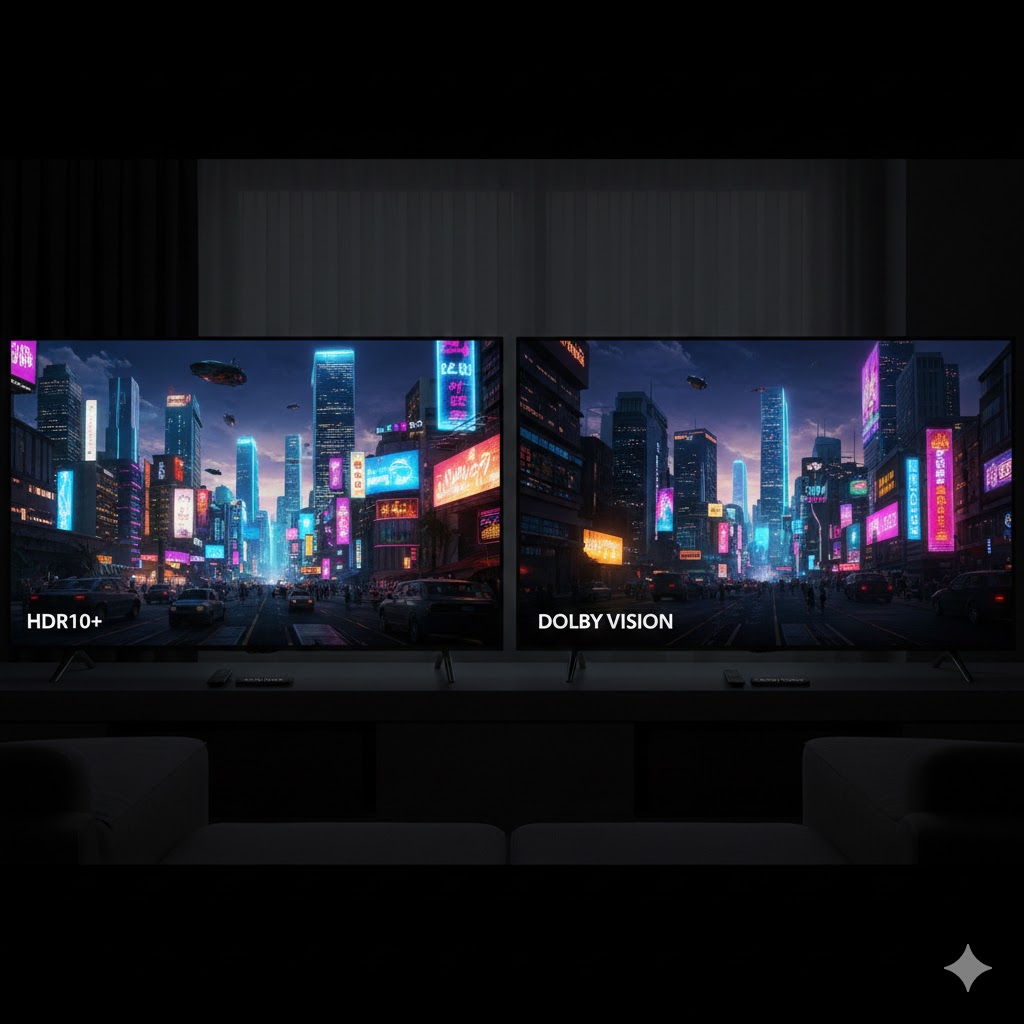
HDR10+ vs. Dolby Vision: Which HDR Standard Reigns Supreme?
High Dynamic Range (HDR) has revolutionized how we experience movies, shows, and games, bringing incredible contrast, vibrant colors, and brighter highlights to our screens. But within the world of HDR, two prominent standards often spark debate: HDR10+ and Dolby Vision. While both aim to deliver a superior visual experience, they do so with different approaches and implications for consumers.
So, what sets them apart, and which one should you be looking for in your next TV or streaming device? Let’s dive in.
The Basics of HDR: More Than Just Brightness
Before we compare, it’s essential to understand the core concept of HDR. Unlike Standard Dynamic Range (SDR), which offers a limited range of brightness and color, HDR expands this range dramatically. This means brighter whites, deeper blacks, and a far wider spectrum of colors, resulting in images that appear more lifelike and impactful.
Both HDR10+ and Dolby Vision build upon a foundational HDR format called HDR10. HDR10 is an open-source standard and the most common form of HDR, but it uses “static metadata.” This means that the brightness and color information for the entire movie or show is set at one level.
The Key Difference: Dynamic Metadata
Here’s where HDR10+ and Dolby Vision truly diverge. They both utilize dynamic metadata, which is their biggest advantage over standard HDR10.
-
Dynamic Metadata Explained: Instead of a single set of instructions for the entire content, dynamic metadata allows the HDR information to be adjusted scene-by-scene, or even frame-by-frame. This means that if a scene is dark and moody, the TV will receive instructions to display it with optimal contrast and shadow detail. If the next scene is a bright, sunny landscape, the TV will adapt its settings to show off those brilliant highlights without washing out the image. This continuous optimization leads to a more nuanced and visually accurate presentation.
Dolby Vision: The Proprietary Premium
Dolby Vision is a proprietary HDR format developed by Dolby Laboratories. It’s often considered the “premium” option for several reasons:
-
Superior Processing: Dolby Vision specifies a 12-bit color depth (compared to HDR10+’s 10-bit), which theoretically allows for an even greater range of colors. It can also support up to 10,000 nits of peak brightness, though current consumer TVs don’t come close to this yet.
-
Strict Certification: Manufacturers must license Dolby Vision technology and adhere to strict quality control and certification processes. This ensures a consistent and high-quality experience across all Dolby Vision-compatible devices.
-
Wider Adoption (Content): Historically, Dolby Vision has enjoyed broader adoption in Hollywood and by major streaming services like Netflix, Disney+, Apple TV+, and Max. Many 4K Blu-ray discs also feature Dolby Vision.
However, its proprietary nature means there are licensing fees for TV manufacturers, which can sometimes translate to higher costs for consumers.
HDR10+: The Open-Source Challenger
HDR10+ was developed as an open-source alternative by Samsung, Panasonic, and 20th Century Fox (now part of Disney). It was created to offer the benefits of dynamic metadata without the licensing costs associated with Dolby Vision.
-
10-bit Color Depth: HDR10+ utilizes a 10-bit color depth, similar to standard HDR10.
-
Open Standard: Being an open standard, manufacturers can implement HDR10+ without paying licensing fees to Dolby. This makes it a more accessible option, particularly for brands like Samsung, which have been strong proponents.
-
Growing Adoption (Content & Hardware): While initially slower than Dolby Vision, HDR10+ has seen significant growth. Amazon Prime Video has been a strong supporter, and services like YouTube (for some content) and a growing number of 4K Blu-ray titles now feature HDR10+. Major TV manufacturers like Samsung, Panasonic, and TCL support HDR10+.
Which One is “Better”?
In an ideal world, all TVs and all content would support both. However, that’s not the reality.
-
From a purely technical standpoint, Dolby Vision’s 12-bit color depth and higher theoretical brightness capabilities give it an edge. In practice, with current TV technology, the visible difference between a well-implemented HDR10+ and Dolby Vision can be subtle to the average viewer.
-
The biggest factor often comes down to content availability and your TV’s capabilities. If you primarily stream on services that favor Dolby Vision (like Netflix) and your TV supports it, then Dolby Vision will provide the best experience. If your TV supports HDR10+ and you watch a lot of Amazon Prime Video, then HDR10+ content will shine.
What to Look for When Buying a TV or Streaming Device:
-
Check for Both: Ideally, look for a TV that supports both Dolby Vision and HDR10+. Many mid-range to high-end TVs from brands like LG, Sony, Panasonic, and Philips offer dual support.
-
Samsung’s Stance: Samsung TVs typically only support HDR10+, not Dolby Vision. If you’re set on a Samsung TV, be aware that you won’t get Dolby Vision, but you’ll get HDR10+ for compatible content.
-
Content Sources: Consider your primary content sources. If you subscribe to Netflix, Disney+, and Apple TV+, Dolby Vision is prevalent. If Amazon Prime Video is your main source, HDR10+ is more common there.
-
Streaming Devices: Many streaming devices (e.g., Apple TV 4K, Roku Ultra, Fire TV Stick 4K Max) support both, allowing you to get the best out of whatever content and TV you have.
The Verdict
Ultimately, both HDR10+ and Dolby Vision offer a significant upgrade over standard HDR10 due to their use of dynamic metadata. While Dolby Vision holds a slight technical lead and has broader content adoption in some areas, HDR10+ is a strong open-source alternative that provides an excellent visual experience.
When making your purchase decision, focus on finding a TV that best aligns with your content consumption habits and, if possible, one that offers support for both dynamic HDR standards to ensure maximum compatibility for years to come.